×
Home
Wine Club
Shop
Gifts
About
My Account
0
Vinesse Exclusive
Red Wines
White Wines
Sparkling Wines
Wine Samplers
All Vinesse Exclusives
Shop Wines By Price
Under $20
$20 - $40
$40 - $100
$100 or more
View all wines
Shop Wines By Type
Red Wines
White Wines
Sparkling Wines
Wine Samplers
Shop Wines By Varietal
Pinot Noir (15)
Chardonnay (14)
Red Blend (10)
Cabernet Sauvignon (9)
Malbec (8)
Rosé (7)
Sauvignon Blanc (7)
Zinfandel (6)
Chenin Blanc (4)
Shiraz (4)
Syrah (4)
Merlot (4)
Pinot Grigio (4)
Riesling (3)
Petite Sirah (3)
Other Red (3)
Garnacha (2)
Primitivo (2)
Pinotage (2)
Albarino (2)
Vermentino (2)
Pinot Blanc (2)
Bordeaux Blend (2)
White Blend (1)
Roussanne (1)
Other White (1)
Pinot Gris (1)
White Zinfandel (1)
MENU
Wine Club
Shop
Gifts
About
My Account
0
🎁 Enjoy $20 shipping when you buy 12 bottles or more! 🎁
Vinesse Exclusive
Red Wines
White Wines
Sparkling Wines
Wine Samplers
All Vinesse Exclusives
Shop Wines By Price
Under $20
$20 - $40
$40 - $100
$100 or more
View all wines
Shop Wines By Type
Red Wines
White Wines
Sparkling Wines
Wine Samplers
Shop Wines By Varietal
Pinot Noir (15)
Chardonnay (14)
Red Blend (10)
Cabernet Sauvignon (9)
Malbec (8)
Rosé (7)
Sauvignon Blanc (7)
Zinfandel (6)
Chenin Blanc (4)
Shiraz (4)
Syrah (4)
Merlot (4)
Pinot Grigio (4)
Riesling (3)
Petite Sirah (3)
Other Red (3)
Garnacha (2)
Primitivo (2)
Pinotage (2)
Albarino (2)
Vermentino (2)
Pinot Blanc (2)
Bordeaux Blend (2)
White Blend (1)
Roussanne (1)
Other White (1)
Pinot Gris (1)
White Zinfandel (1)
Top Selling Samplers
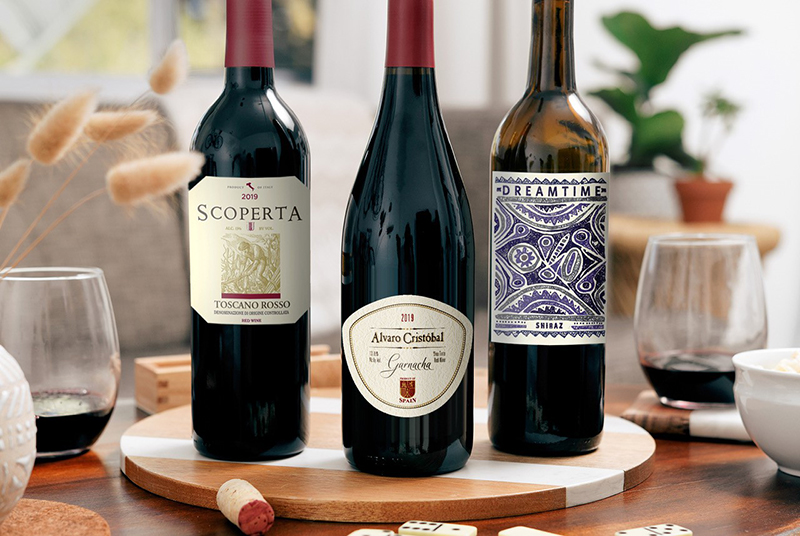
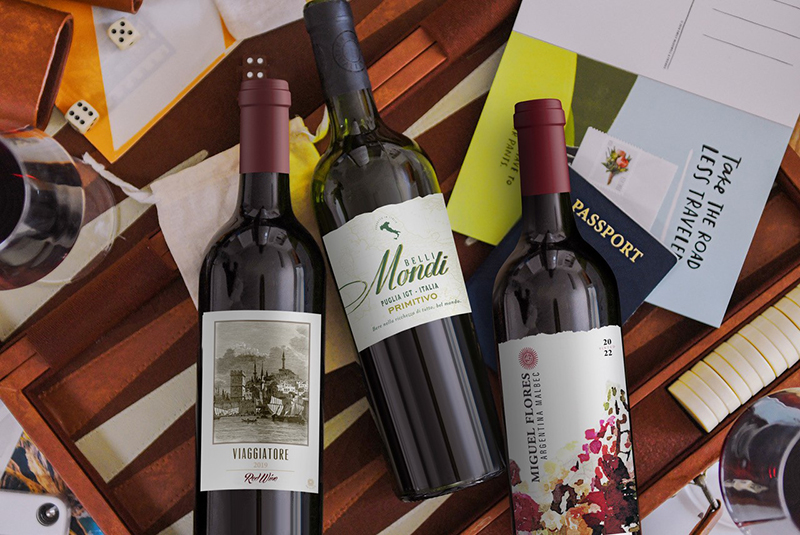
A Passport to Our Most Loved International Reds (12 Bottle)
Vinesse Price:
$154.99
Quantity:
1 sampler
2 samplers
3 samplers
4 samplers
5 samplers
6 samplers
Add to Cart
International Treasure Trio (12 Bottle)
Vinesse Price:
$142.99
Quantity:
1 sampler
2 samplers
3 samplers
4 samplers
5 samplers
6 samplers
Add to Cart
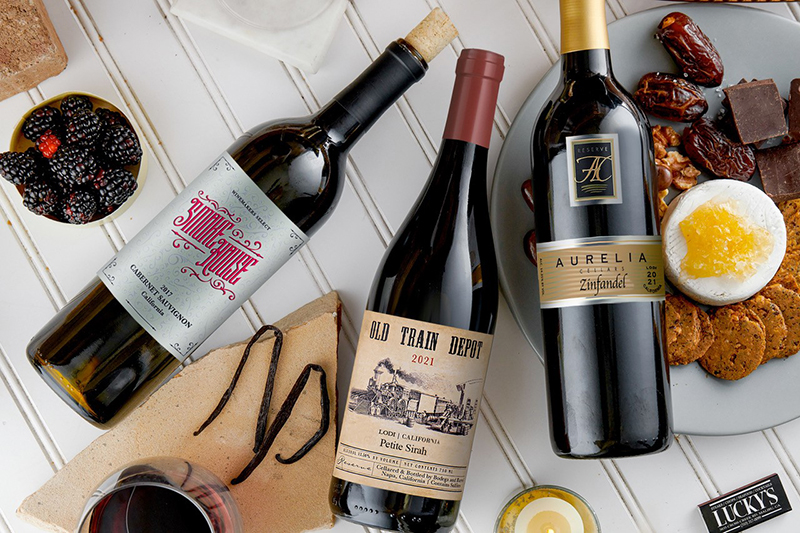
A Delicious California Trio (12 Bottle)
Vinesse Price:
$152.99
Quantity:
1 sampler
2 samplers
3 samplers
4 samplers
5 samplers
6 samplers
Add to Cart
Showing: Samplers
Sort By: ▲
Price (Low to High)
Price (High to Low)
Name (A-Z)
Name(Z-A)
Top Rated
New Arrivals
1
|
2
|
3
Next
>
Last
> |
A Columbia Valley Cuvee (12 Bottle)
Vinesse Price:
$158.99
Quantity:
1 sampler
2 samplers
3 samplers
4 samplers
5 samplers
6 samplers
Add to Cart
A Delicious California Trio (12 Bottle)
Vinesse Price:
$152.99
Quantity:
1 sampler
2 samplers
3 samplers
4 samplers
5 samplers
6 samplers
Add to Cart
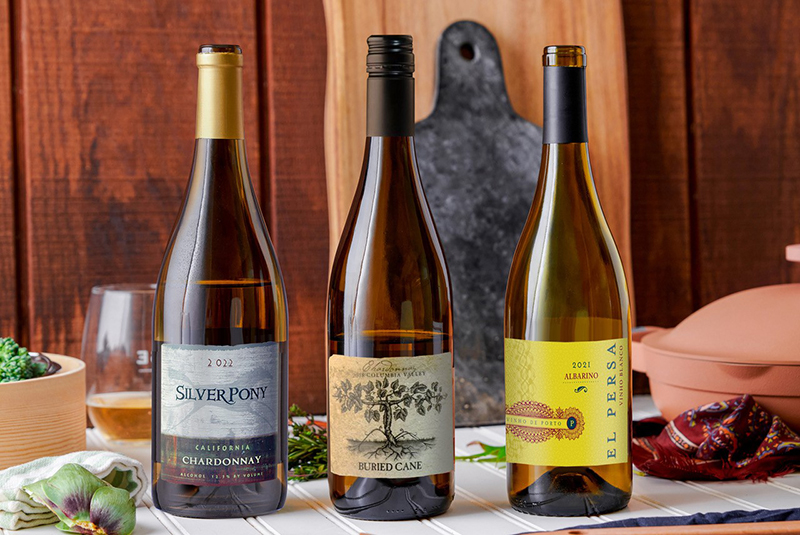
A Journey Beyond Chardonnay (12 Bottle)
Vinesse Price:
$149.99
Quantity:
1 sampler
2 samplers
3 samplers
4 samplers
5 samplers
6 samplers
Add to Cart
A Passport to Our Most Loved International Reds (12 Bottle)
Vinesse Price:
$154.99
Quantity:
1 sampler
2 samplers
3 samplers
4 samplers
5 samplers
6 samplers
Add to Cart
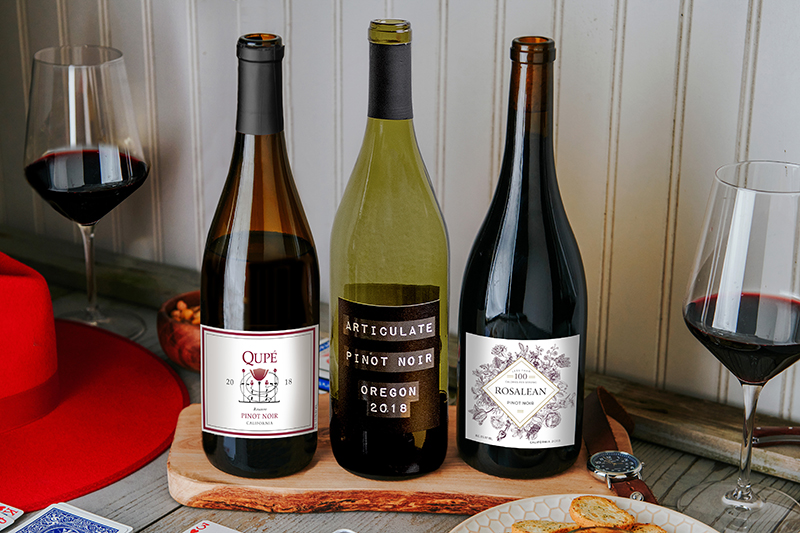
A Pinot Pursuit (12 Bottle)
Vinesse Price:
$158.99
Quantity:
1 sampler
2 samplers
3 samplers
4 samplers
5 samplers
6 samplers
Add to Cart
A Sweet Wine Soiree (12 Bottle)
Vinesse Price:
$149.99
Quantity:
1 sampler
2 samplers
3 samplers
4 samplers
5 samplers
6 samplers
Add to Cart
A Sweeter Side of Wine (12 Bottle)
Vinesse Price:
$150.99
Quantity:
1 sampler
2 samplers
3 samplers
4 samplers
5 samplers
6 samplers
Add to Cart
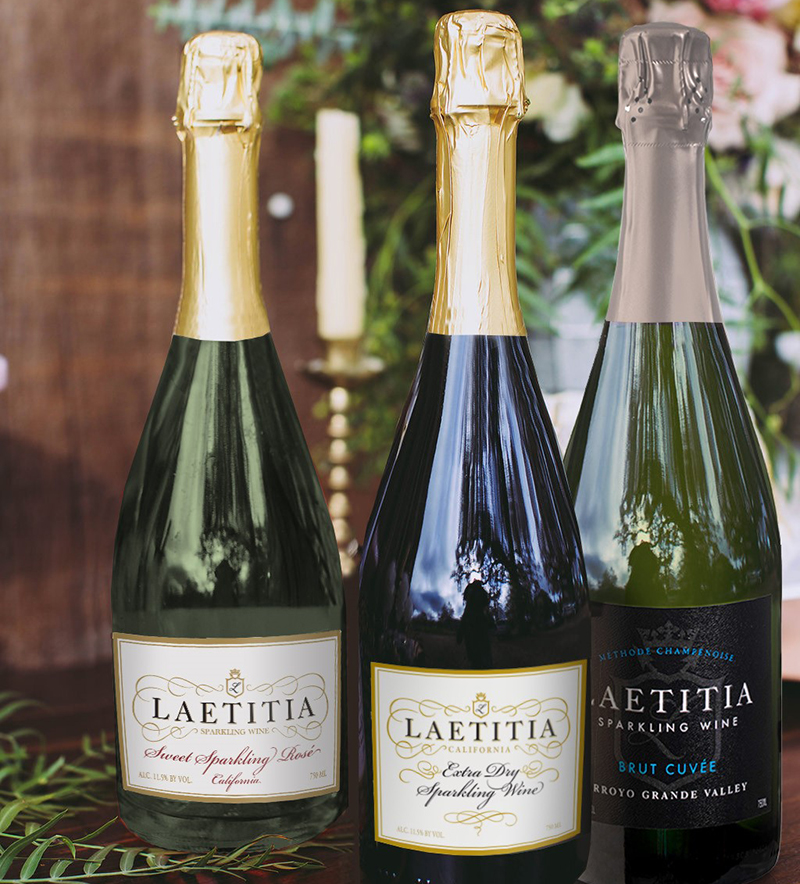
A Trifecta of Bubbly Bliss (12 Bottle)
Vinesse Price:
$185.99
Quantity:
1 sampler
2 samplers
3 samplers
4 samplers
5 samplers
6 samplers
Add to Cart
Best of the Golden State (12 Bottle)
Vinesse Price:
$142.99
Quantity:
1 sampler
2 samplers
3 samplers
4 samplers
5 samplers
6 samplers
Add to Cart
Bold & Beautiful Whites (12 Bottle)
Vinesse Price:
$152.99
Quantity:
1 sampler
2 samplers
3 samplers
4 samplers
5 samplers
6 samplers
Add to Cart
Bold, White & Ready to Drink (12 Bottle)
Vinesse Price:
$164.99
Quantity:
1 sampler
2 samplers
3 samplers
4 samplers
5 samplers
6 samplers
Add to Cart
California Crushed Chardonnays (12 Bottle)
Vinesse Price:
$155.99
Quantity:
1 sampler
2 samplers
3 samplers
4 samplers
5 samplers
6 samplers
Add to Cart
Chosen California Favorites (12 Bottle)
Vinesse Price:
$149.99
Quantity:
1 sampler
2 samplers
3 samplers
4 samplers
5 samplers
6 samplers
Add to Cart
Did Someone Say Rosé? (12 Bottle)
Vinesse Price:
$148.99
Quantity:
1 sampler
2 samplers
3 samplers
4 samplers
5 samplers
6 samplers
Add to Cart
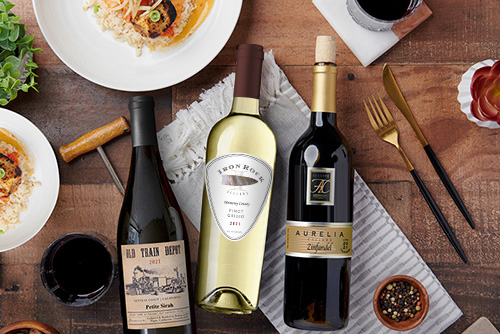
Dinnertime Must-Haves (12 Bottle)
Vinesse Price:
$154.99
Quantity:
1 sampler
2 samplers
3 samplers
4 samplers
5 samplers
6 samplers
Add to Cart
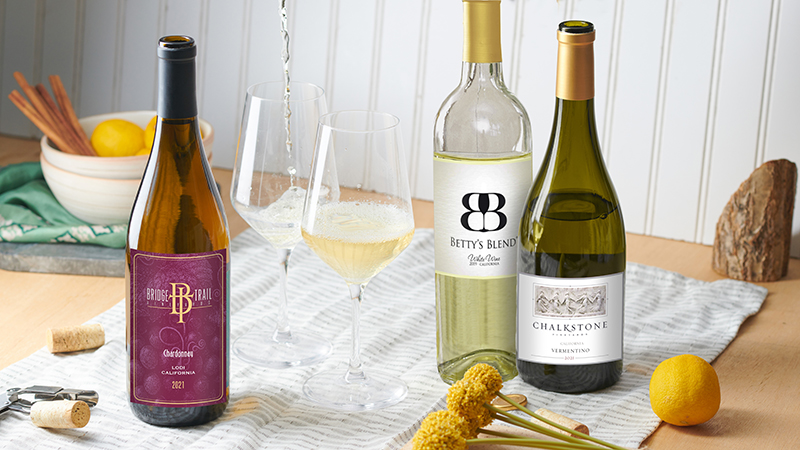
Drink White Wine Trio (12 Bottle)
Vinesse Price:
$148.99
Quantity:
1 sampler
2 samplers
3 samplers
4 samplers
5 samplers
6 samplers
Add to Cart
Fizz Fête: Spectacular Sparkling Trio (12 Bottle)
Vinesse Price:
$196.99
Quantity:
1 sampler
2 samplers
3 samplers
4 samplers
5 samplers
6 samplers
Add to Cart
Food Friendly Trio (12 Bottle)
Vinesse Price:
$152.99
Quantity:
1 sampler
2 samplers
3 samplers
4 samplers
5 samplers
6 samplers
Add to Cart
Fresh and Ready to Drink Collection (12 Bottle)
Vinesse Price:
$148.99
Quantity:
1 sampler
2 samplers
3 samplers
4 samplers
5 samplers
6 samplers
Add to Cart
In Pursuit of Pinot Noir (12 Bottle)
Vinesse Price:
$158.99
Quantity:
1 sampler
2 samplers
3 samplers
4 samplers
5 samplers
6 samplers
Add to Cart
1
|
2
|
3
Next
>
Last
> |
 Vinesse Exclusive





 On Twitter
 On Facebook
 On Instagram
 On Pinterest